Start by looking, from the ground
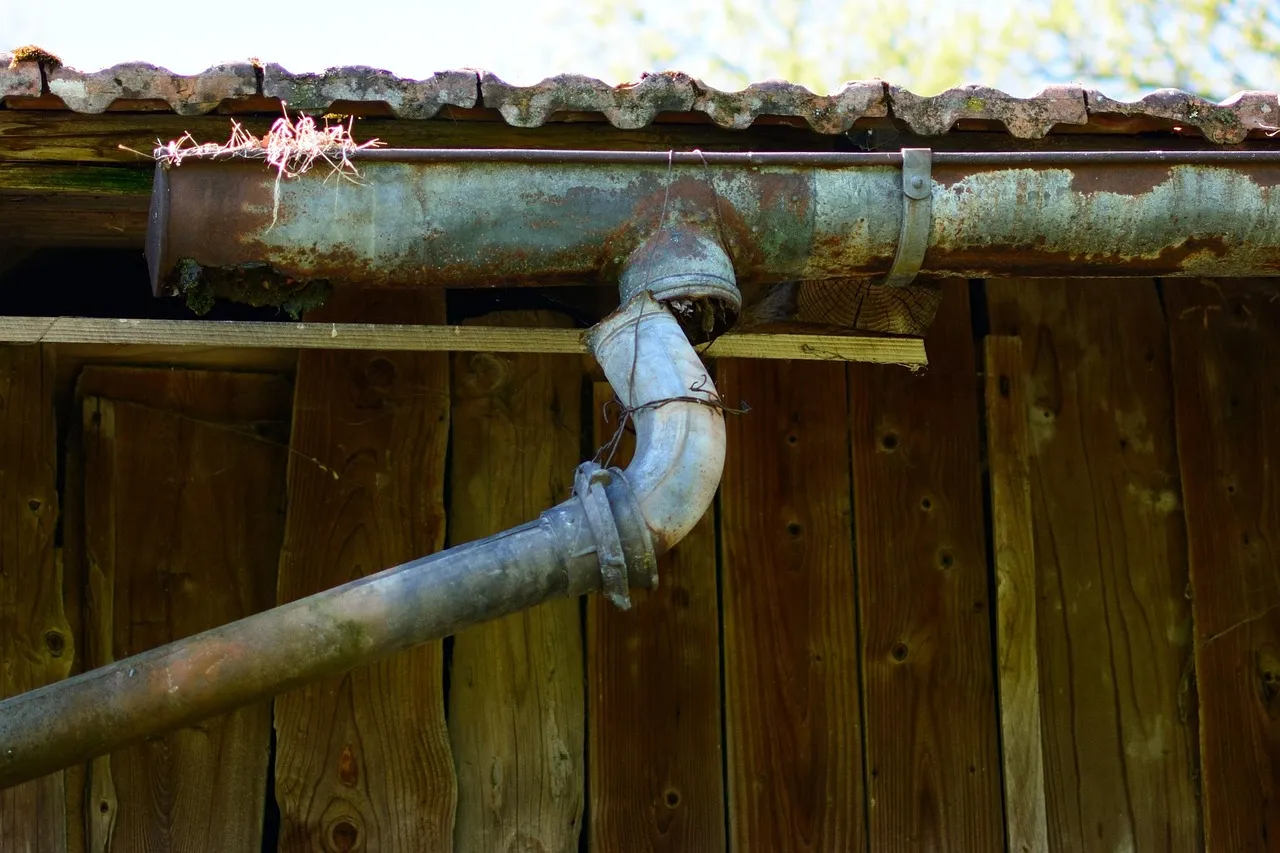
Most of what a gutter is doing can be read from the garden: where water spills in rain, where leaves have built up, where the line dips between brackets. None of it needs a ladder.
Official sources from three states set out what to keep an eye on:
- The QBCC: don’t let leaves and debris build up in gutters and downpipes, and repair cracked or broken tiles, guttering or flashing.
- NSW Health, on keeping mosquitoes down around a home: clear drains and roof gutters so water runs freely.
- Victoria’s Building and Plumbing Commission, on installing an eaves gutter: it must be supported to bear its whole weight when full of water, with brackets at the stop ends and no more than 1200 mm apart between them.
“Make sure small problems don’t become big ones by maintaining your home.” The QBCC’s own advice to home owners.
Ladders, roof edges and the regulators’ order of things
Falls from ladders have caused a significant number of serious and fatal injuries, even at relatively low working heights.
Paraphrased from Safe Work Australia, model Code of Practice: managing the risk of falls in housing constructionThe same code names repairing a gutter as an example of the short, light work for which a single or extension ladder may be used, and only once safer options such as scaffolding or an elevating work platform have been considered first. SafeWork NSW sets out how to stand on one: three points of contact, the base one metre out for every four metres of height, and never past the second-last rung.
Read the ladder and roof guidance, step by stepEmbers land where leaves gather
Victoria’s Country Fire Authority says embers are the main reason houses catch fire during a bushfire, and that they can set fire to a house when they land on the garden, the doormat or the gutters. The NSW Rural Fire Service’s list of basic jobs to prepare a property starts with the gutter: clean it of leaves and twigs, and install metal gutter guards.
Compare what the RFS, the CFA and the QBCC askThe CFA lists clearing gutters of leaves, twigs and rubbish among the tasks to finish in early spring, before the Fire Danger Period is declared, and says the period can start as early as October.
Who may repair a gutter depends on the state
New South Wales, Victoria and Queensland each license this work their own way, so each rule below comes from that state’s own regulator. Figures are as at October 2026.
| State | How the work is described | The figure, as at October 2026 |
|---|---|---|
| New South Wales | Roof plumbing is trade work, and includes repairing and maintaining guttering and downpipes. | A contractor licence is needed for residential building or trade work, including roof plumbing, valued at more than $5,000 in labour and materials, including GST (NSW Government). |
| Victoria | Roofing stormwater is one of the main classes of plumbing work, and covers repairing any part of a roof drainage system. | A licensed plumber must issue a compliance certificate where the total value of plumbing work exceeds $750, including materials, labour and GST (Building and Plumbing Commission). |
| Queensland | Metal fascias and gutters is a licence class of its own, covering rainwater goods associated with them. | Building work worth more than $3,300 must be done by a licensed tradesperson (QBCC). |
Where the water goes after the downpipe
Sydney Water describes the path: stormwater often flows from property drains to street gutters operated by local councils, and those gutters may connect to large channels, pipes and creeks. What it must not do is reach the sewer. Sydney Water’s rule for the properties it serves is one line long: “You mustn’t allow rainwater or stormwater to enter your wastewater system.”
Follow roof water from gutter to streetSydney Water says extra water can get into the wastewater system through cracked pipes, faulty joints and the direct connection of stormwater pipes, and that heavy rain is a common reason for wastewater overflows.
Box gutters: the ones inside the building
Victoria’s regulator defines a box gutter as a graded channel, generally rectangular, that carries rainwater within the building footprint, typically beside a wall or parapet. It calls overflow devices critical to one, and says that failing to size and place them properly can lead to serious damage to buildings and contents.
Read how box gutters are built, and why they failEvery guide on this site
- Signs a gutter needs repairWhat can be seen from the ground, and what official sources say about it.
- Ladders, roofs and guttersWhat the work health and safety regulators say about ladders and roof edges.
- Gutters and ember attackWhat the NSW RFS, the CFA and the QBCC ask of a gutter before fire season.
- Who can do roof plumbing workLicences for gutter and roof drainage work in NSW, Victoria and Queensland.
- Where downpipe water may goStormwater, the sewer, tanks, and the pipes an owner looks after.
- Box gutters, and why they failWhat a box gutter is, and the Victorian regulator’s rules for one.